How Do You Turn Winter Challenges into ABA Learning Opportunities in Alpharetta?
Winter brings unique challenges for children on the autism spectrum. When familiar routines shift—whether due to winter breaks, holiday schedules, or weather disruptions—children with autism often experience heightened anxiety, stress, and behavioral changes, including tantrums, screaming, or aggressive behaviors. For families in Alpharetta, understanding how these disruptions impact your child’s progress is the first step toward transforming winter obstacles into developmental opportunities.
Applied Behavior Analysis (ABA) is an evidence-based approach that has been proven to help children with autism develop essential skills and behaviors. Research shows that when ABA therapy is implemented for more than 20 hours per week during early childhood (before age 4), it produces significant developmental gains and can reduce the need for special services later in life. However, maintaining therapeutic consistency becomes challenging when winter disrupts established routines. The good news? With intentional strategies guided by board-certified behavior analysts, these seasonal challenges can become powerful catalysts for growth and skill-building.
Families in Alpharetta have access to comprehensive local ABA services and multidisciplinary support, including occupational therapy, speech-language therapy, and feeding therapy. By integrating evidence-based ABA principles into everyday winter activities—from holiday preparations to snow day routines—parents can help their children not only navigate the season successfully but actually thrive during it. This guide provides practical, actionable strategies to ensure winter becomes a season of meaningful progress rather than regression.
Don’t let winter disruptions derail your child’s progress. At Therapyland, our board-certified behavior analysts and multidisciplinary team are ready to support families at our locations in Alpharetta, Kennesaw, and Lawrenceville. We partner with you to turn seasonal challenges into meaningful developmental gains. Connect with our team at any of these locations to discuss how our ABA therapy services can be tailored to your child’s unique needs and winter routines.
What Are Some of the Winter Challenges for Children with Autism?
Routine Disruption
Winter often brings significant changes to a child’s daily routine. Winter breaks, holiday travel, and unpredictable schedules can unsettle children who rely on consistency to feel secure. These interruptions may increase stress and anxiety, making it harder for them to stay regulated and engaged. When familiar routines shift, children may experience frustration, meltdowns, or withdrawal, which can affect their progress in ABA therapy and daily functioning.
Sensory Overload
Seasonal changes introduce a wide range of sensory demands. Cold temperatures, bulky winter clothing, holiday lights, loud decorations, and crowded indoor environments can overwhelm a child’s sensory system. For many children with autism, this heightened input creates discomfort and may interfere with participation in social interactions, play, and communication. Sensory overload during winter events can also lead to avoidance behaviors or emotional escalation.
Social and Environmental Changes
Family gatherings, holiday parties, and visits to unfamiliar places are common during the winter months. These environments often bring new sounds, smells, people, and expectations. For a child on the autism spectrum, these variables can increase anxiety and trigger challenging behaviors. Navigating new settings without adequate support may make it difficult for children to feel comfortable and remain behaviorally consistent.
Emotional Stress
The combination of disrupted routines, sensory demands, and increased social expectations can create considerable emotional strain. Children may struggle to express their discomfort or adapt to changes, leading to increased irritability, emotional outbursts, or withdrawal. Recognizing these emotional responses helps parents provide the reassurance, structure, and therapeutic support needed to navigate the season more smoothly.
👉Also Read: From Echolalia to Functional Communication: Language Development in ABA Therapy in Alpharetta
How Can ABA Therapy Principles Help Address Winter Challenges?
Applied Behavior Analysis (ABA) principles offer practical strategies to help children with autism spectrum disorder navigate the unique challenges of winter. By integrating these approaches into daily routines and seasonal activities, parents can reduce stress, reinforce positive behaviors, and support ongoing skill development.
Consistency and Predictability
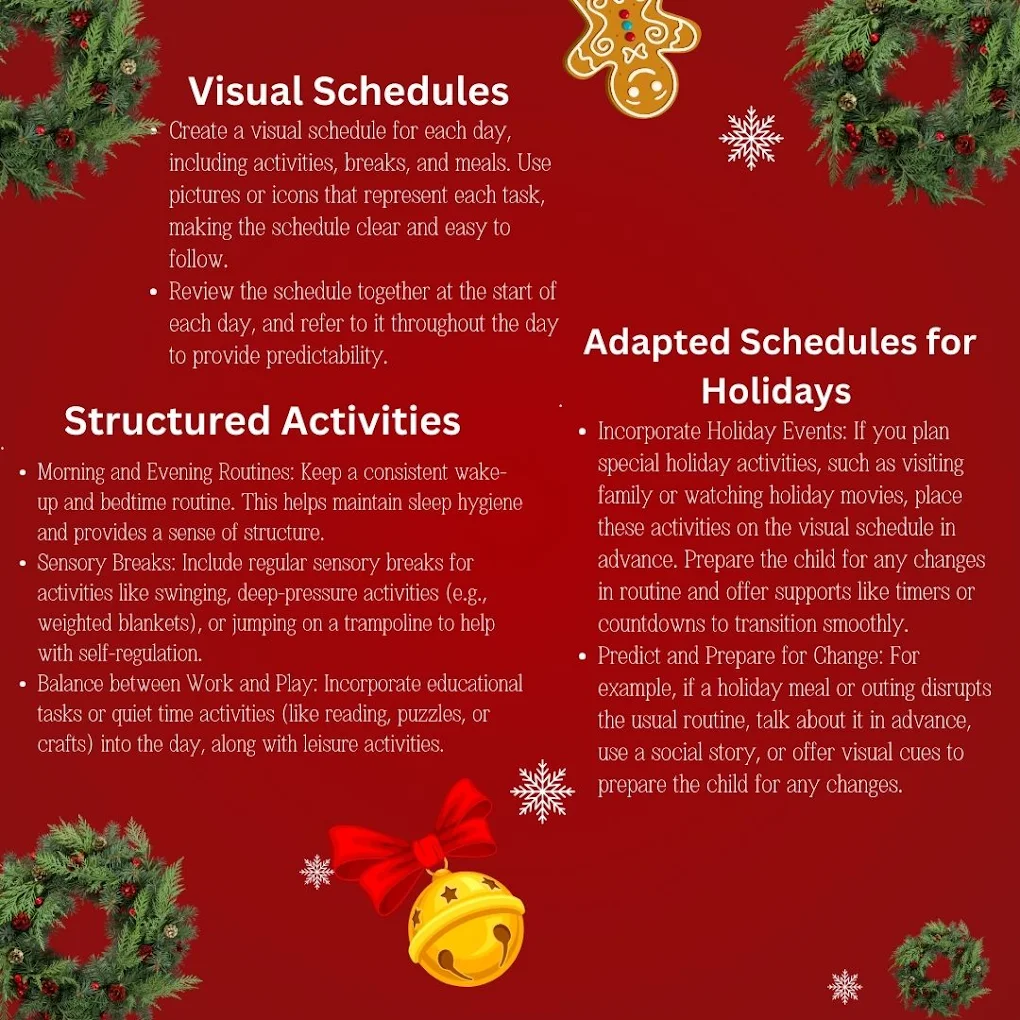
Maintaining structure is essential for minimizing anxiety and behavioral challenges. Visual schedules, timers, and predictable routines help children anticipate what comes next, even during winter breaks, holiday travel, or other seasonal disruptions. These tools support skill retention and provide a sense of security amid the unpredictability of winter.
Reinforcement Strategies
Positive reinforcement encourages desirable behaviors and coping strategies. Token systems, praise, and small rewards can be especially effective during family gatherings, holiday events, or outdoor winter activities. These strategies help children understand expectations and motivate engagement in social interactions and new experiences.
Data Collection
Tracking behaviors and progress remains important, even during breaks or irregular routines. Recording observations allows parents and therapists to monitor growth, identify triggers, and adjust interventions as needed, ensuring that progress continues despite seasonal changes.
Generalization of Skills
ABA emphasizes applying learned skills across different environments. Winter activities—whether attending holiday parties, playing outside in cold weather, or participating in community events—provide opportunities to practice and reinforce social, communication, and coping skills in varied settings.
👉Also Read: Celebrating Small Wins: Why Micro Milestones Matter in ABA Therapy for Kids
Creative Winter Activities Supporting ABA Learning Goals

Engaging children with autism in creative winter activities can make the season both enjoyable and educational, reinforcing ABA learning goals across sensory, cognitive, communication, and social domains.
Sensory-Friendly Activities
Sensory play allows children to explore new textures and experiences in a controlled, enjoyable way. Indoor sensory bins filled with snow-like materials, holiday-themed items, or textured objects provide opportunities for tactile exploration and fine motor skill development. When outdoor snow is available, supervised snow play or cold-weather tactile activities can further enhance sensory processing and adaptive skills.
Cognitive and Academic Skill Activities
Winter-themed games can incorporate cognitive and academic skill-building in a fun, hands-on format. Activities such as holiday-themed matching, sorting, and sequencing games promote problem-solving, attention, and memory. Winter math or literacy exercises, integrated into daily play or crafts, encourage skill generalization while keeping children engaged during seasonal breaks.
Communication Skill Development
Winter and holiday events provide natural opportunities to practice language and communication skills. Children can work on greetings, sharing, and polite requests during family gatherings or small social settings. Storytelling exercises or describing holiday traditions encourage expressive language and vocabulary development, reinforcing communication goals in meaningful contexts.
Social Skills in Action
Interactive winter activities offer practical ways to practice social skills. Turn-taking during games, gift exchanges, or group activities encourages patience, cooperation, and collaboration. Additionally, structured activities provide opportunities to practice coping strategies for overstimulation in social or public environments, promoting self-regulation and confidence.
Indoor Physical Activities
Set up a mini obstacle course using pillows, blankets, and household items. Activities like a yoga session or dance time help with gross motor skills and coordination.
Interactive Reading Sessions
Use winter-themed books for interactive reading sessions. Encourage the child to ask and answer questions about the story, predict outcomes, or retell the story to work on language and comprehension skills.
👉Also Read: Inside an ABA Center: How Therapyland Transforms Learning into Play
Maintaining Applied Behavior Analysis (ABA) Therapy Progress During Winter Break
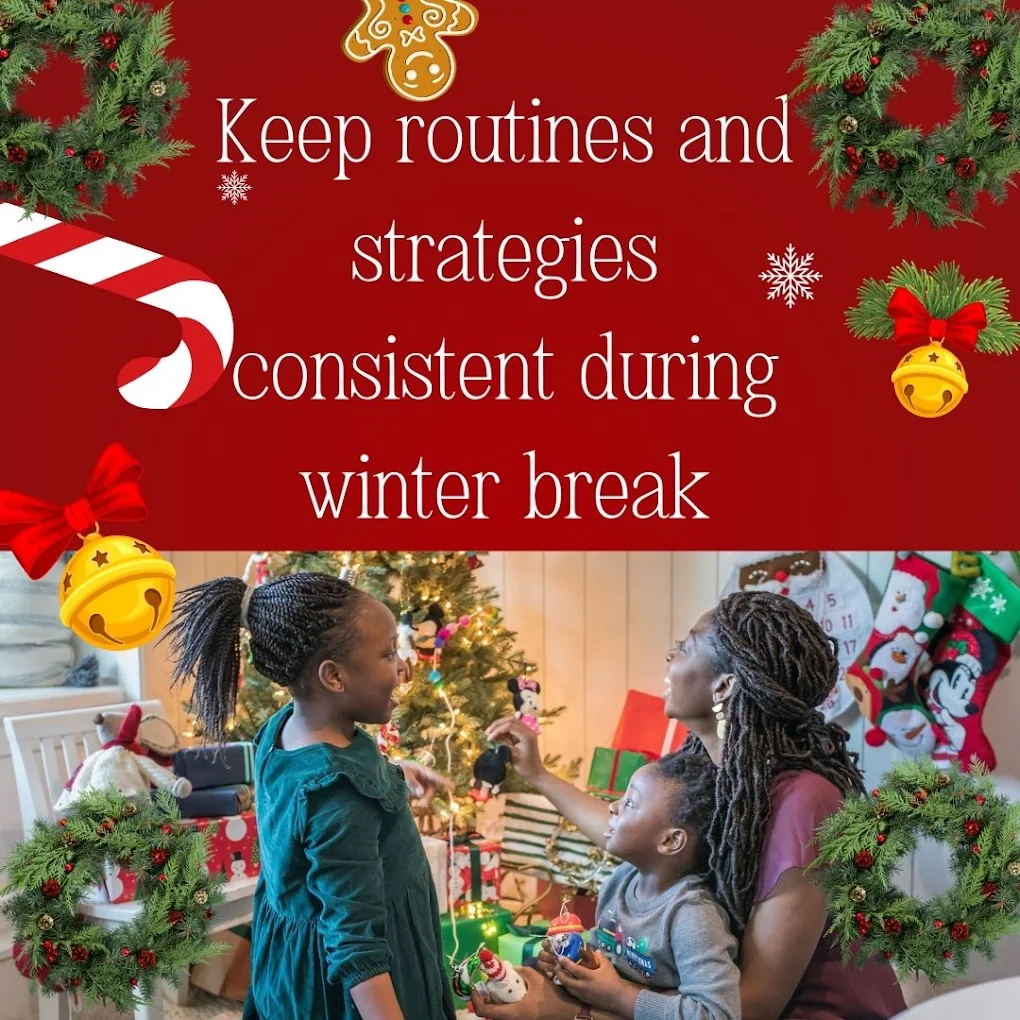
Maintaining ABA therapy progress during winter break requires planning, consistency, and intentional integration of therapeutic strategies into daily life. Sudden changes in schedules can disrupt the routines children with autism rely on, potentially increasing anxiety and behavioral challenges. Establishing structure and predictability helps children feel secure while continuing to make meaningful progress.
Structured Home Schedules
Visual schedules, timers, and predictable routines provide clarity and help children anticipate daily activities, including holiday events. Maintaining consistent sleep, meal, and activity times reduces stress and supports emotional regulation, even during periods of seasonal disruption.
Incorporating Therapy into Everyday Life
Everyday tasks and activities can become opportunities for ABA skill-building. Shopping, cooking, holiday crafts, or even simple chores can reinforce communication, cognitive, social, and daily living skills. Integrating therapy into familiar routines helps children generalize learned behaviors to real-world settings.
Short, Focused Sessions
Intensive therapy may be overwhelming during busy holiday periods. Micro-sessions—short, focused periods of ABA practice—allow children to engage meaningfully without fatigue. These sessions can target specific skills or reinforce previously mastered behaviors, ensuring continuity without adding stress.
Parental Involvement
Caregiver participation is essential for sustaining progress during winter breaks. Parents and caregivers trained in ABA strategies can implement interventions consistently, provide reinforcement, and track progress at home. Regular communication with therapists ensures individualized support and helps address any regressions quickly.
Tips for Parents and Caregivers in Alpharetta
Winter can present unique challenges for children with autism, and parents and caregivers play a crucial role in supporting their child’s progress while managing the season’s demands. The following strategies can help families in Alpharetta navigate the winter months effectively:
Planning Ahead
Scheduling therapy sessions, community outings, and downtime in advance helps create predictability for children. Planning also allows caregivers to balance structured activities with periods of rest, reducing stress and ensuring that holiday events remain enjoyable rather than overwhelming.
Setting Realistic Goals
Winter break is an ideal time to focus on maintaining skills and providing light reinforcement rather than intensive therapy. Understanding this allows families to set achievable expectations, celebrate small successes, and prevent unnecessary stress for both children and caregivers.
Self-Care for Caregivers
Caring for a child with autism during the busy holiday season can be demanding. Parents and siblings benefit from taking time for self-care, managing stress, and seeking support when needed. By prioritizing their own well-being, caregivers are better equipped to provide consistent, patient, and effective support for their children.
How Can the Holidays Be Used as ABA Learning Opportunities?
Holidays offer a natural and engaging setting for children with autism to practice important ABA skills while participating in enjoyable, real-world activities.
Practical Examples
- Cooking Holiday Treats: Activities like baking cookies or preparing simple holiday dishes can reinforce sequencing, counting, and following directions, helping children practice cognitive and fine motor skills in a meaningful context.
- Decorating a Space: Involving children in decorating a room or creating holiday crafts encourages communication, motor coordination, and task completion while integrating fun sensory experiences.
- Role-Playing Social Scenarios: Simulating family visits, gift exchanges, or party greetings allows children to practice polite requests, turn-taking, and appropriate social behaviors in a safe, supportive environment.
Emotional and Behavioral Growth
Holiday activities also provide opportunities to teach flexibility, patience, and coping strategies. Applying learned behaviors in novel settings, such as holiday events or gatherings, helps children generalize skills, manage sensory input, and respond adaptively to unexpected changes. Positive reinforcement throughout these activities encourages engagement and strengthens social and communication skills.
By intentionally integrating ABA learning goals into holiday routines, caregivers can turn seasonal celebrations into meaningful opportunities for skill development, emotional growth, and social success.
👉Also Read: Why ABC Charts Matter and What They Do in Supporting Behavior Change Through ABA Therapy in Alpharetta
Turn This Winter Into Your Child’s Season of Growth with Therapyland
Winter doesn’t have to mean putting progress on pause. With the right support and strategies, the challenges of this season can become powerful opportunities for your child to develop new skills, build confidence, and thrive in real-world settings.
At Therapyland, we understand that consistency is key—especially during the unpredictable winter months. Our team of board-certified behavior analysts and multidisciplinary therapists specializes in creating individualized treatment plans that adapt to your family’s seasonal needs while maintaining the momentum your child has worked so hard to achieve.
Why Therapyland?
Our comprehensive approach goes beyond traditional ABA therapy services. We integrate:
- Applied Behavior Analysis (ABA) with board-certified behavior analysts who design evidence-based interventions tailored to your child’s unique needs
- Occupational Therapy (OT) to address sensory challenges and fine motor skills during winter activities
- Speech-Language Therapy (ST) to strengthen communication during holiday gatherings and social events
- Physical Therapy (PT) to support gross motor development and winter safety skills
- Feeding Therapy to navigate holiday meals and seasonal food sensitivities
- Augmentative and Alternative Communication (AAC) to ensure every child has a voice, regardless of their verbal abilities
How We Support Families Through Winter
We don’t just provide therapy sessions—we partner with families to ensure skills generalize beyond our clinic walls. Our therapists work closely with parents and caregivers to:
- Develop customized visual schedules and routines for winter break
- Create sensory-friendly strategies for holiday events and gatherings
- Train family members in ABA techniques they can use at home
- Adjust therapy schedules to accommodate travel and holiday commitments
- Provide ongoing support and communication throughout seasonal disruptions
- Offer flexible session options that fit your family’s winter schedule
The winter months are happening whether we’re ready or not. The question is: will your child simply survive the season, or will they use it as a springboard for growth?
Ready to Transform Winter Challenges Into Progress?
Contact Therapyland today at 678-648-7644 to schedule a consultation or learn more about how our multidisciplinary team can support your family through the winter season and beyond.
Serving families at three convenient locations:
Whether you’re celebrating the holidays at home or traveling between family gatherings across the metro Atlanta area, our strategically located centers make it easy to maintain your child’s therapy schedule without adding stress to your winter routine.
Let us be your trusted partner in the journey toward a brighter future for your child. Together, we’ll ensure that every season—including winter—becomes an opportunity for your child to shine.
Frequently Asked Questions
What is the best age to start ABA therapy in Alpharetta, Georgia?
The best age to start ABA (Applied Behavior Analysis) therapy is typically as early as possible, often around 18 to 24 months, once a child is showing signs of autism spectrum disorder (ASD) or related developmental delays. Early intervention is crucial because the brain is highly adaptable during the first few years of life, allowing children to acquire important social, communication, and behavioral skills more effectively.
Research shows that children who begin ABA therapy at a younger age often make greater gains in language development, social interactions, adaptive behaviors, and overall cognitive functioning compared to those who start later. That said, autism therapy services can be beneficial at any age, including school-aged children and even adolescents or adults, though earlier intervention usually produces the most significant long-term outcomes.
What does the initial assessment process look like?
Your child will undergo a comprehensive evaluation by our board-certified behavior analyst, which typically takes 2-3 hours over one or more sessions. We assess current skills, identify goals, and develop a personalized treatment plan. Family input is a crucial part of this process.
