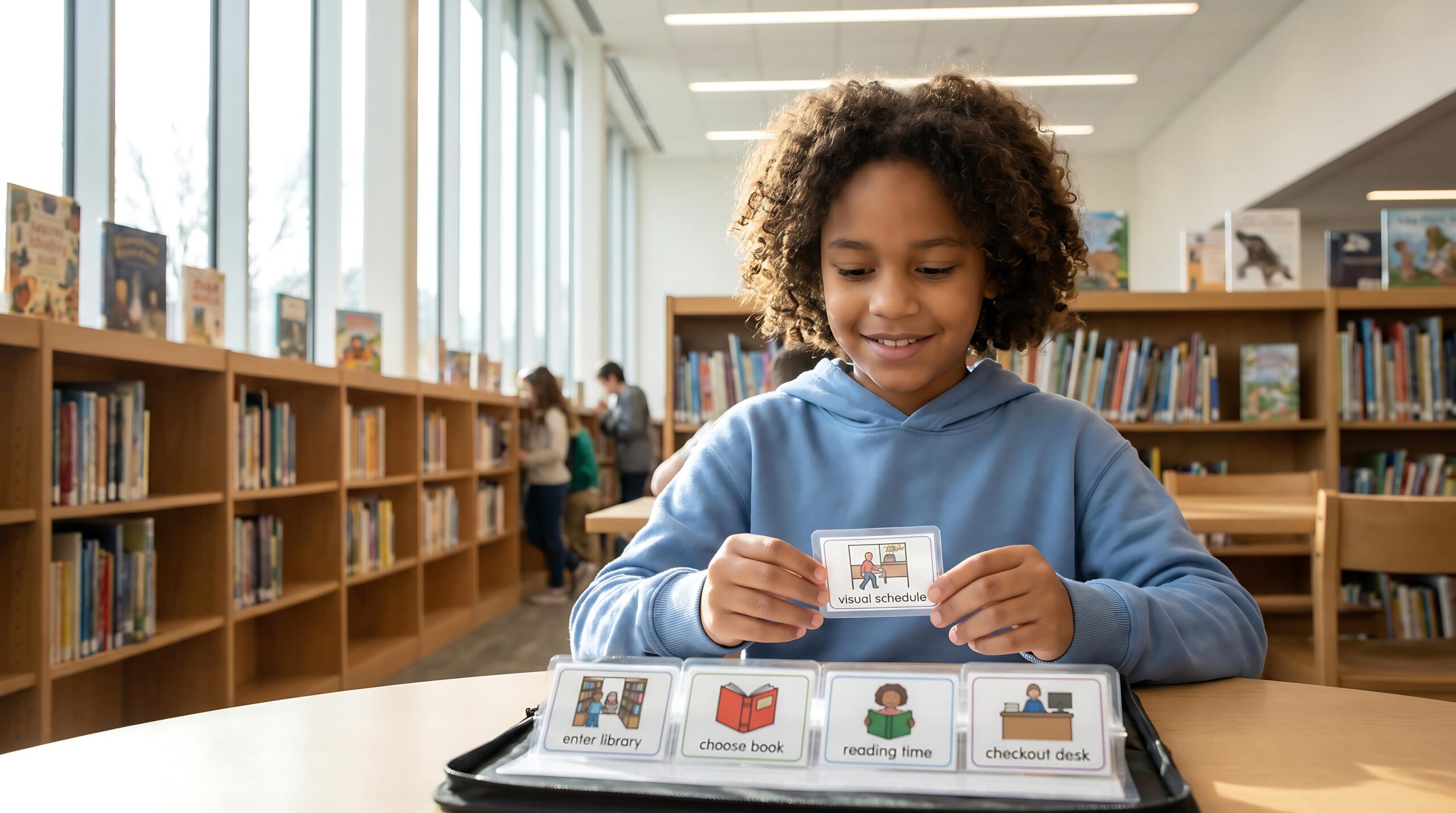
How ABA Therapy Can Support Communication Development for Children in Alpharetta
Communication touches every part of a child’s development. It shapes how children express needs, connect with family, follow routines, and build independence. Whether a child is asking for a snack or pointing at a dog during a walk through Wills Park, communication is the bridge between what they feel and the world around them.
For many children with autism spectrum disorder and other developmental differences in Alpharetta, communication challenges are often the first concern families notice. Some children have delayed language. Others are non-speaking or struggle to understand what’s being said to them.
If your child is struggling to express needs, follow directions, use words or gestures consistently, or connect socially with others, early support can make a meaningful difference. At Therapyland, our Alpharetta team creates individualized ABA therapy plans that focus on functional communication, play, independence, and everyday progress in a supportive, child-centered setting. Contact us today at 678-648-7644 to learn how our communication-focused ABA services can help your child build the skills needed to connect with the world more confidently.
This article breaks down how our therapists support real-world communication growth, from a child’s first request to full conversation and social connection.
👉Also Read: Which Comes First After an Autism Diagnosis: ABA, Speech, or Occupational Therapy in Alpharetta, GA?
Why Communication Development Matters for Children With Autism
Communication is more than verbal speech. It includes understanding language, using gestures and facial expressions, reading body language, and engaging in back-and-forth interaction. Children with autism may experience a range of communication challenges, such as:
- Delayed first words or limited vocabulary
- Difficulty initiating requests or answering questions
- Limited nonverbal communication like pointing or waving
- Trouble maintaining eye contact during interaction
- Echolalia, a common pattern in children with autism where they repeat words or phrases as a natural stage in developing their own language
These barriers can affect home routines, play with siblings, and everyday social moments in Alpharetta’s neighborhoods and playgrounds. When a child cannot communicate effectively, frustration often builds, leading to challenging behaviors like tantrums or withdrawal. ABA therapy improves communication skills in children with autism by giving them reliable, functional ways to express themselves. With targeted support, many children develop stronger communication abilities and greater independence over time.
👉Also Read: Is ABA Therapy Effective for Teens with Autism in Alpharetta, GA?
What Is ABA Therapy?
Applied behavior analysis is a scientific, evidence-based method for understanding and improving meaningful behaviors, including communication. ABA therapy breaks complex communication skills into manageable steps, teaches them systematically, and uses positive reinforcement to help children succeed.
Communication development is a core focus area alongside social skills, play, daily living skills, and behavior regulation. Board-certified behavior analysts design individualized communication programs based on a comprehensive assessment of each child’s strengths, challenges, and family goals. Direct ABA therapists then carry out therapy sessions under BCBA supervision.
In Alpharetta, ABA therapy at Therapyland takes place in our state-of-the-art center, always in person, with the goal of real-life communication success.
How Applied Behavior Analysis (ABA) Therapy Supports Communication Development

ABA therapy enhances verbal and nonverbal expression by starting with basic functional communication skills and building toward conversation, social communication, and independence.
Teaching Children How to Request Wants and Needs
ABA therapy often begins with functional communication training, helping a child ask for food, favorite toys, help, or a break. This approach gives children practical ways to make requests, replacing behaviors like crying or grabbing with effective communication.
Requests can be taught using:
- Spoken words
- Sign language
- Picture Exchange Communication System (PECS) cards
- Speech-generating devices
For example, a child in Alpharetta might learn to hand a picture card to ask for a snack, or say “help” instead of screaming when a puzzle piece gets stuck. Therapists involve parents so these skills are practiced during real routines, like grocery shopping or visits to local parks.
Building Verbal Communication Skills
ABA therapists support verbal communication from first words through short phrases and early conversation. Goals may include:
- Labeling objects
- Using two- to three-word combinations
- Answering simple WH-questions
- Commenting during play
Verbal Behavior Therapy breaks language into functional categories, called operants, such as requests, labels, and responses, so therapists can target exactly the type of language a child needs next.
Strategies like modeling, prompting, repetition, and reinforcement help new words stick. In a typical Alpharetta therapy session, a therapist might weave verbal practice into play, naming animals with farm toys or describing pictures in a favorite book. Echolalia is common in children with autism and can often be shaped into functional, meaningful language through these strategies. Progress varies: some children go on to hold independent conversations, while others use a combination of speech and alternative communication long-term.
Strengthening Nonverbal Communication
Around 25 to 30 percent of children with autism remain minimally verbal, making nonverbal and alternative communication pathways essential. Speech and ABA support therapy actively builds skills such as:
- Pointing to share interest
- Using gestures
- Making eye contact when appropriate
- Reading facial expressions that signal feelings like happiness or frustration
Therapists may introduce picture-based systems, communication boards, or tablet-based AAC tools when these support a child’s communication. AAC Therapy can include anything from sign language to speech-generating devices, and can be used temporarily or as a primary communication method long-term. Introducing AAC early can reduce frustration and challenging behaviors. Success means any method that helps a child communicate, whether or not speech is the primary mode.
👉Also Read: When ABA Therapy Doesn’t Go as Planned: Insights from an ABA Certified Therapist in Alpharetta
Improving Receptive Language and Listening Skills
Receptive language, understanding words and directions, is just as important as expressive language for everyday functioning. Typical goals include:
- Responding to name
- Following one-step and multi-step directions
- Identifying familiar people or objects
- Understanding simple questions
Therapists use consistent language, visual aids, and repetition to build understanding across home, center, and community settings. When a child understands more, confusion and anxiety decrease, supporting more confident behavior overall.
Encouraging Social Communication
Social communication focuses on how children with autism interact with others. ABA goals include:
- Greeting others
- Taking conversational turns
- Asking for attention appropriately
- Responding during play
- Building joint attention, or shared focus with another person, which is often an early target
Some children also need structured practice reading others’ emotions, intentions, and social cues. Stronger social communication builds friendships, strengthens family bonds, and increases confidence in group settings and family events around Alpharetta. ABA therapists work to help these skills carry over into daily life, well beyond the therapy room.
ABA Strategies Commonly Used to Support Communication
ABA therapists use specific, research-backed strategies to teach and strengthen communication. Each method is adjusted to fit the child’s interests, age, and communication level.
Positive Reinforcement
Positive reinforcement means giving something the child enjoys, like praise, a preferred toy, or a favorite activity, immediately after a desired communication behavior. For example, praising a child for saying “more bubbles,” or handing over a requested snack when they use a picture card. Reinforcement is individualized: what motivates one child (time on a swing) may differ from another (access to a specific game). Parents can mirror this approach at home for consistency.
Prompting and Prompt Fading
Prompting means giving help or cues, like gestures, verbal models, or visual supports, so a child can successfully use a communication skill they’re still learning. A therapist might model “I want car” for a child to imitate, or gently guide a hand toward a communication board. Therapists systematically reduce this support over time so the child grows more confident without becoming reliant on prompts. Needing prompts is normal early on, and fading is part of the plan for long-term independence.
Structured Learning Opportunities
ABA often uses discrete trial training and other structured approaches to break communication goals into small, teachable steps. For example, a child might practice saying “I want + item” repeatedly with clear instructions and feedback. Data are collected during these trials to track progress and adjust goals objectively. Structured teaching is balanced with more natural approaches to ensure well-rounded communication growth.
Natural Environment Teaching and Play-Based Interaction
Natural environment teaching focuses on real-world communication practice during everyday activities and play. A child might request swings at a local Alpharetta playground, ask for help during a puzzle, or label actions while playing with dolls.
Using the child’s interests increases motivation and helps skills generalize beyond therapy sessions. Parents can turn family routines like meals, bath time, and bedtime stories into communication practice at home.
How ABA Therapy Can Reduce Frustration and Support Positive Behavior
When a child cannot make their needs clear, they may rely on crying, grabbing, or other behavioral challenges to get what they want. ABA therapy reduces frustration-driven behaviors by improving communication. Through functional behavior assessment, therapists identify the purpose behind these behaviors and teach more appropriate communication responses.
Replacement skills might include saying or signing “help,” “all done,” “more,” or “break” instead of hitting, throwing, or running away. The goal is not simply to stop behaviors but to help the child feel heard, understood, and more in control of meaningful connections with the people around them.
The Importance of Individualized Communication Goals
No two children with autism in Alpharetta have the same communication profile. ABA therapy uses individualized therapy plans for communication skills, tailored to each child’s current verbal and nonverbal abilities, sensory needs, learning style, and family priorities. Individualized treatment plans might target goals like:
- Asking for help instead of crying
- Expanding from single words to two-word phrases
- Answering yes/no questions
- Using AAC effectively across multiple settings
- Improving a child’s communication skills during mealtime or community outings
Effective individualized ABA therapy includes regular progress reviews so goals grow alongside the child. Families are encouraged to share daily routines and cultural values so communication targets match what matters most in their household.
How ABA and Speech Therapy Can Work Together
ABA therapy and speech therapy often overlap in communication goals but bring different professional perspectives. ABA may focus on functional communication, when and why the child communicates, generalization into daily routines, and behavior-linked communication. Speech therapy may focus more on articulation, oral-motor skills, expressive and receptive language structures, and pragmatic language.
When coordinated, the two disciplines share goals, consistent cues, and reinforcement strategies. Occupational therapy may also support related skills like sensory regulation that affect communication readiness. In an integrated model, families find it easier to keep everyone aligned, enhancing communication skills more efficiently across the child’s day.
Why Early Intervention Matters for Communication Development
Early childhood, roughly birth through age five, is a critical window for rapid brain and language development. Many studies point to better long-term outcomes when early intensive behavioral intervention (EIBI) begins during this window, though researchers note that more high-quality research is still needed to fully understand the size and durability of these gains.
Early intervention services help children develop functional communication sooner, reduce frustration-based behaviors, and build stronger readiness for daily routines. Meaningful progress is possible at many ages, but earlier support offers extra advantages.
How Parents and Caregivers Can Support Communication at Home
Parents and caregivers play an important role in supporting communication development. There are many practical ways to encourage communication at home and reinforce the skills a child is working on in therapy, including:
- Create opportunities to communicate: Pause before handing over a favorite item, starting a routine, or helping with a task so your child has a chance to make a communication attempt.
- Model language and gestures: Use simple, consistent words, phrases, signs, or gestures that match your child’s current communication level and can be imitated over time.
- Reinforce communication attempts: Respond positively to your child’s efforts to communicate, even if the attempt is not perfect, by offering praise, acknowledgment, or the natural outcome of the interaction when appropriate.
- Use recommended supports consistently: Keep visual aids, communication boards, or AAC tools available at home and use them in ways that align with your child’s therapy plan.
- Collaborate with the therapy team: Share what is working at home, ask questions, and participate in parent training sessions so strategies can be used consistently across environments.
- Celebrate progress: Every new word, gesture, sign, or exchange is meaningful, and consistent family involvement can help support continued communication growth.
Signs a Child May Benefit From Communication-Focused ABA Therapy
Parents and caregivers sometimes wonder when to seek support. Consider reaching out if your child shows:
- Limited words or gestures for their age
- Difficulty following simple directions
- Frequent frustration when trying to communicate
- Reliance on behaviors rather than words, gestures, or AAC systems to express needs
- Limited back-and-forth social interaction or reduced sharing of interests and enjoyment
- Difficulty using communication skills consistently across different environments
- Challenges with communication in structured or group settings
Children do not always require a formal diagnosis to begin exploring communication-focused support. A clinical evaluation is recommended when concerns are present.
Communication Support Through ABA Therapy in Alpharetta
Alpharetta families often seek child-friendly therapy environments, evidence-based interventions, and services that prioritize meaningful communication development. High-quality ABA therapy services in the area should include:
- Individualized assessments with clearly defined communication goals
- Regular data collection and progress updates
- Caregiver training integrated into the therapy plan
- A combination of structured teaching and play-based learning approaches
- Coordination with speech-language therapy and other related disciplines when beneficial
Communication development in therapy is designed to support participation in everyday life across meaningful environments such as home, playgrounds, and community settings. ABA therapists in Alpharetta work collaboratively with families to help children build functional communication skills that support independence, confidence, and engagement in daily activities.
👉Also Read: How Can ABA and AAC Help Your Child’s Communication Skills in Alpharetta, GA?
Strengthen Your Child’s Communication Skills With ABA Therapy in Alpharetta
Families in Alpharetta who are seeking meaningful support for communication development are encouraged to connect with Therapyland, a comprehensive pediatric therapy center offering ABA, speech-language therapy, and AAC services under one roof. Early, individualized intervention can make a lasting difference in how a child communicates, participates in daily routines, and builds independence across environments. Our team provides evidence-based, family-centered care designed to help each child develop functional communication skills that are practical, meaningful, and supported across home and community settings.
If you are noticing communication delays or challenges, or if you simply want guidance on the next steps, we encourage you to reach out for a consultation. At Therapyland, our clinicians work closely with families to design personalized therapy plans that align with each child’s needs and developmental goals, ensuring consistent progress through structured learning and natural play-based approaches. To learn more or to begin services, contact us at 678-648-7644 or submit the contact form. We are here to help your child build stronger communication skills and greater independence with compassionate, coordinated support.
Frequently Asked Questions
Can ABA therapy help a child who is not yet speaking?
Yes. ABA therapy can support non-speaking or minimally verbal children by teaching alternative communication methods such as gestures, sign language, Picture Exchange Communication System (PECS) cards, or speech-generating devices. Therapists focus on helping a child communicate their needs and ideas using whatever method is most effective right now. Success is measured by how well the child can express themselves, not solely by spoken words.
Does focusing on AAC or communication boards prevent my child from learning to talk?
Research consistently shows that augmentative and alternative communication supports, rather than prevents, speech development. AAC supports faster language growth and increases social interaction. ABA therapists often pair spoken words with AAC symbols so the child hears and sees language together, which can actually speed up understanding and verbal speech attempts over time.
How long does it usually take to see progress in communication with ABA therapy?
Timelines vary depending on the child’s age, starting skill level, therapy intensity, and home consistency. Many families notice early signs of progress, such as more eye contact, new requests, or reduced frustration, within the first few months of consistent therapy sessions. Communication growth is often gradual, and providers should share data and examples of the child’s progress regularly.
Is ABA therapy only for children with an autism diagnosis?
While ABA is best known for supporting children with autism, its principles can also help children with other developmental or communication challenges when clinically appropriate. Consult with a BCBA in Alpharetta to determine whether ABA is a good fit for your child’s specific profile and needs.
How can I make sure my child’s ABA program is truly communication-focused?
Ask potential providers how they assess a child’s communication skills, what specific goals they write into the therapy plan, and how often they review and update those goals. Look for programs that include parent training, use both structured and play-based teaching, and consider alternative communication options when verbal speech alone is not meeting the child’s needs. A strong program will clearly explain how it plans to improve communication skills across home, therapy, and community settings.
