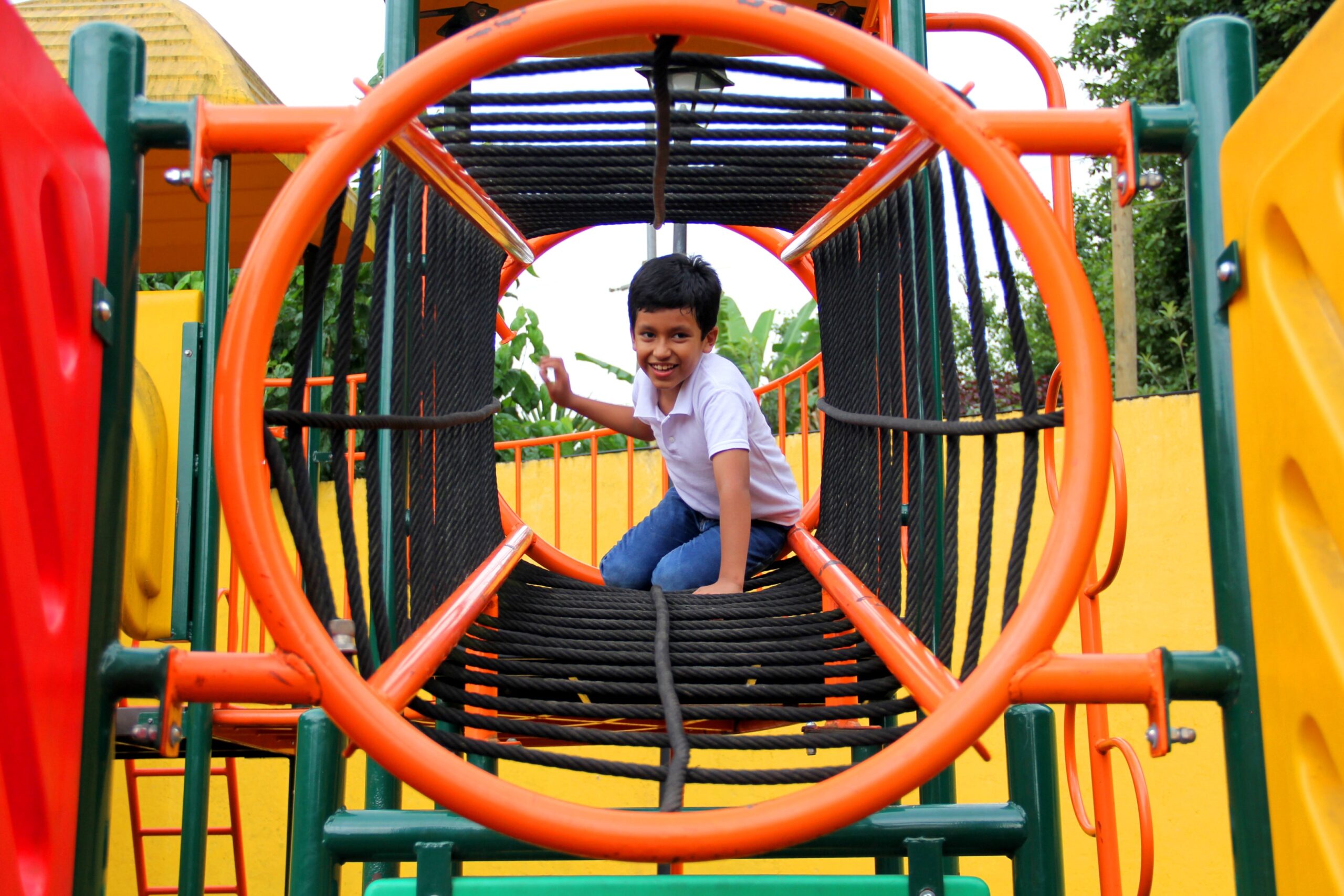
Top Tips for Physical Therapy for Children with Autism: How to Keep Your Child Engaged and Active
Physical therapy plays a crucial role in supporting the growth and development of children with autism. Research published in Frontiers in Pediatrics found that up to 80% of children with autism spectrum disorder (ASD) experience gross motor delays, challenges that, without early intervention, tend to become more pronounced as children age.
Beyond improving strength, balance, and coordination, physical therapy helps children build confidence in their movements and explore the world around them more independently. At Therapyland, our approach is play-based and goal-oriented, ensuring that therapy is not only effective but also enjoyable for each child.
In this article, we share practical strategies and activities designed to keep your child motivated, engaged, and active during physical therapy sessions. From fun movement games to skill-building exercises, these tips can help make therapy a positive experience that encourages progress in gross motor development, posture, and overall physical confidence.
If you want your child to thrive through physical therapy, Therapyland is here to help. Our pediatric physical therapists create play-based, goal-oriented programs that improve strength, balance, coordination, and overall confidence. By tailoring activities to each child’s unique needs, we make therapy both effective and enjoyable.
Take the first step in supporting your child’s growth. Contact Therapyland today at 678-648-7644 to schedule a personalized evaluation and discover how we can help your child stay active, engaged, and confident.
👉Also Read: 8 Common Speech Therapy Myths in Alpharetta: Explained and Debunked
Understanding Physical Therapy for Children with Autism

Physical therapy is essential for supporting, improving, and restoring movement and range of motion. For children with autism, this specialized therapy:
- Addresses developmental delays
- Enhances gross motor coordination through engaging, interactive methods
- Uses therapeutic play to encourage large, controlled movements necessary for proper physical development
Focusing on these areas helps children with autism develop crucial motor skills in a structured yet enjoyable way.
Interactive play is a cornerstone of pediatric physical therapy. Activities such as mirror exercises can improve coordination, body awareness, and social engagement. These exercises not only support physical development but also help children interact with their environment more confidently.
The Role of Physical Therapists
Pediatric physical therapists assess and improve children’s motor skills and physical capabilities. They begin with a thorough evaluation, including the child’s health history, range of motion, muscle strength, muscle tone, gross motor skills, and gait. Based on these findings, therapists create individualized treatment plans targeting specific developmental goals, such as sitting independently, walking distances, climbing stairs, or using playground equipment.
Therapists typically provide outpatient care with targeted interventions tailored to each child’s needs. They collaborate closely with families to ensure therapy sessions are both effective and enjoyable, laying a foundation for long-term physical health, motor skill development, and confidence in movement.
Common Challenges Faced by Children with Autism
Children with autism may experience movement and coordination challenges that can make physical activities more difficult. Common areas of difficulty include:
- Muscle weakness
- Limited motor function
- Poor balance
- Reduced coordination
Therapeutic activities, such as bear crawls, help improve body awareness and coordination, while physical exercise, like throwing weighted objects strengthen the core and enhances overall strength. By addressing these challenges, physical therapy not only improves physical abilities but also boosts confidence, social engagement, and independence in everyday activities.
👉Also Read: How Can Autism Therapy Services in Alpharetta Support Individuals With Co‑Occurring Conditions?
Engaging Activities for Children with Autism

Engaging activities are a cornerstone of effective physical therapy for children with autism. Structured, autism-friendly physical activity programs create a supportive environment that encourages participation and enjoyment. Pediatric gyms or therapy spaces equipped with age-appropriate and sensory-conscious equipment can make therapy sessions more appealing and accessible.
Using verbal guidance or hands-on cues during exercises helps children feel secure and understood. A calm, supportive environment combined with positive reinforcement is essential for teaching new exercises, ensuring that therapy is both effective and motivating.
Play-Based Exercises
Play-based exercises are an effective way to keep children actively involved in physical therapy. Activities such as obstacle courses, ball games, and movement-based challenges combine fun with skill-building, helping improve coordination, strength, and gross motor skills. Obstacle courses, in particular, integrate physical therapy principles into play, allowing children to practice balance, jumping, crawling, and other motor skills in an engaging way.
Incorporating family sports, outdoor play, or interactive movement games can further motivate children to participate. Tools like star charts or reward systems help track progress and provide positive reinforcement, making therapy enjoyable and encouraging consistent activity.
Sensory-Friendly Activities
Sensory-friendly activities are designed to accommodate the unique sensory needs of children with autism while encouraging active participation. Examples include sensory swings, tactile paths, balance beams, and the use of weighted blankets to promote calm and focus.
Integrating sensory-friendly approaches into therapy can improve engagement and overall effectiveness. By addressing sensory sensitivities, therapists can create a more inclusive and supportive environment that fosters participation, confidence, and successful outcomes in physical therapy.
Incorporating Technology
Technology can enhance physical therapy sessions by making them more interactive and engaging. Apps, video games, and motion-based activities can provide young adults with dynamic, tailored experiences that align with their interests and abilities.
Interactive technology not only makes exercises more enjoyable but also supports skill development by reinforcing movement patterns, balance, and coordination. When used thoughtfully, technology helps create a stimulating environment that motivates children to participate actively and consistently in their therapy sessions.
Tips for Parents to Support Pediatric Physical Therapy at Home
Parents play a vital role in supporting their child’s physical therapy. Consistently practicing exercises at home reinforces progress and helps children stay motivated and engaged. A supportive and encouraging environment strengthens the connection between therapy and daily life.
Engaging in exercises alongside children can make physical activity more enjoyable and foster a positive association with movement. Implementing a home exercise program (HEP) helps reinforce therapy techniques and can enhance overall outcomes.
Creating a Routine
Establishing a consistent physical therapy routine at home provides structure and stability. A home exercise program should be simple, flexible, and easy to integrate into daily life. Scheduling regular therapy activities allows children to anticipate sessions, increasing engagement and enthusiasm.
Predictable routines are particularly beneficial for children with autism, as they thrive on structure and consistency. A clear schedule for physical activity helps children understand expectations, promoting comfort, focus, and participation.
Encouraging Active Play
Active play is essential for maintaining a child’s interest in physical activity. Parents can participate alongside their children, making exercises fun while creating opportunities for bonding. Incorporating enjoyable movement activities helps reinforce healthy habits and keeps children motivated.
Examples of activities include:
- Sports
- Outdoor play
- Family games
Reducing screen time and prioritizing active play further supports physical development and overall well-being.
Monitoring Progress and Celebrating Success
Tracking progress can boost a child’s motivation and confidence. Visual charts, milestone trackers, or simple rewards help children recognize their achievements and stay engaged. Celebrating each accomplishment, no matter how small, reinforces ongoing development and encourages continued effort.
Collaborating with Your Child’s Therapy Team
Collaboration between parents, physical therapists, and other healthcare professionals is essential for creating a cohesive and effective treatment plan for children with autism. When parents and therapists work closely together, they can combine their understanding of sensory-processing needs, behavioral tendencies, and developmental goals, ensuring interventions are targeted and effective.
Engaging in physical activities also supports social interaction and communication skills in children with autism. By fostering a collaborative environment, the therapy team can provide comprehensive care that addresses the child’s unique needs and promotes overall well-being.
Regular Check-Ins
Regular communication with your child’s therapy team is critical for ongoing support and monitoring progress. Therapy goals are established collaboratively between the child, parents, and therapists. Periodic check-ins allow the team to adjust treatment plans as needed based on the child’s progress, challenges, and changing needs.
This consistent collaboration helps ensure that the therapy plan remains effective, aligned with developmental objectives, and responsive to the child’s evolving abilities.
Integrating Multiple Therapies
A coordinated, team-based approach often produces the best outcomes for children with autism. Combining physical therapy with other interventions such as occupational therapy, speech therapy, or behavioral therapies supports multiple areas of development, including motor skills, social skills, communication, sensory regulation, and functional independence.
By integrating multiple therapies, the team can provide holistic care that addresses the full spectrum of a child’s developmental needs, ensuring progress across physical, cognitive, and social-emotional domains.
👉Also Read: Top Tips for Introducing New Routines and Activities to Children with Autism in Alpharetta
Support Your Child’s Growth with Physical Therapy at Therapyland
Physical therapy is more than just movement exercises; it is a foundation for your child’s confidence, independence, and overall development. At Therapyland, our pediatric physical therapists apply the sciences of anatomy, neurology, and physiology to assess and support how your child moves, their strength, balance, and coordination.
Our play-based, goal-oriented approach ensures that children with autism are motivated to participate in activities that are both challenging and enjoyable. We address a wide range of developmental needs, from common gross motor delays like rolling, sitting, crawling, standing, and walking, to issues such as decreased strength, poor balance, abnormal posture, and uncoordinated movements. Our team also supports children with neurological or genetic disorders, toe walking, and atypical walking, running, or jumping patterns.
If your child shows signs such as muscle stiffness, limited range of motion, delays in developmental milestones, or difficulties with coordination or sports activities, our individualized programs can help them develop crucial motor skills and gain confidence in their movements.
Take the next step in supporting your child’s physical development. Contact Therapyland today to schedule an evaluation and discover how our personalized, engaging therapy programs can help your child stay active, confident, and thriving.
Frequently Asked Questions
At what age should my child with autism start physical therapy?
Early intervention is key. Physical therapy can begin as early as infancy if developmental delays are identified. The sooner therapy starts, the better the outcomes. Research shows that gross motor delays in children with autism become significantly more pronounced between ages 2 and 6. At Therapyland, we recommend scheduling an evaluation as soon as you notice signs such as delayed walking, difficulty with balance, or poor coordination. Our pediatric physical therapists will assess your child’s needs and design a program that meets them exactly where they are developmentally.
How long does a typical physical therapy session last, and how often will my child need to attend?
Sessions at Therapyland typically run 45 to 60 minutes and are tailored to your child’s attention span, tolerance, and therapy goals. Frequency depends on the individual treatment plan. Some children benefit from one session per week, while others with more complex needs may attend two to three times per week. Your therapist will work closely with your family to recommend a schedule that balances progress with your child’s comfort and your family’s routine.
How do I know if my child needs physical therapy versus occupational therapy?
Think of it this way: physical therapy focuses on large-body movement such as walking, running, jumping, balance, posture, and gross motor strength. Occupational therapy addresses the finer, task-based skills of daily life, including hand-eye coordination, self-care, sensory processing, and school readiness. Many children at Therapyland benefit from both, and because we offer PT, OT, speech therapy, ABA, and more under one roof, our multidisciplinary team collaborates to ensure every aspect of your child’s development is supported seamlessly.
How do therapists handle meltdowns or resistance during physical therapy sessions?
Our therapists are highly trained in working with children with autism and understand that resistance, frustration, or sensory overload can happen. When they do, our team responds with patience, calm redirection, and sensory-aware strategies rather than pushing through. We adjust the environment, the activity, or the pacing to help your child feel safe and in control. Our play-based approach is specifically designed to minimize pressure and maximize comfort, so therapy feels like fun and not a task.
Can physical therapy help with toe walking in children with autism?
Yes, absolutely. Toe walking is one of the most common movement patterns we address at Therapyland. It can be linked to muscle tightness, sensory sensitivities, or neurological differences common in children with autism. Our pediatric physical therapists conduct a thorough gait assessment and develop an individualized plan that may include stretching, strengthening exercises, balance training, and sensory integration activities. Early intervention can make a meaningful difference in correcting atypical walking patterns before they affect posture and long-term joint health.
